Upright VR
Advanced VR Technology for Fall Prevention.
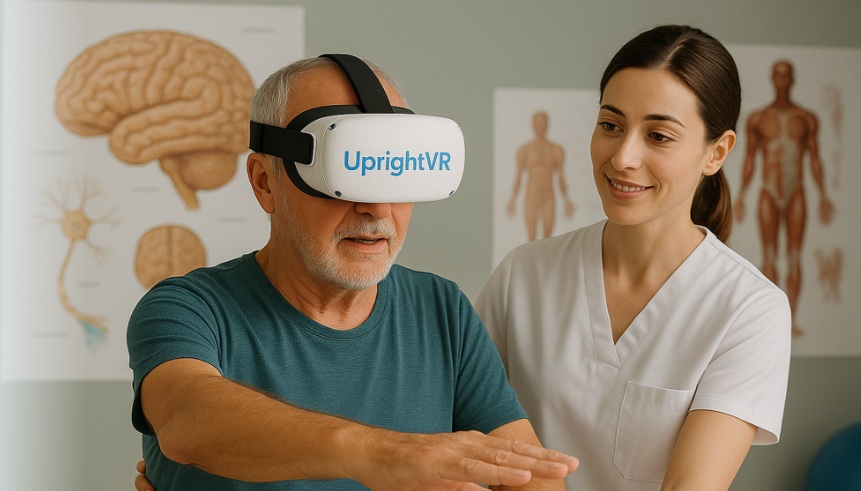
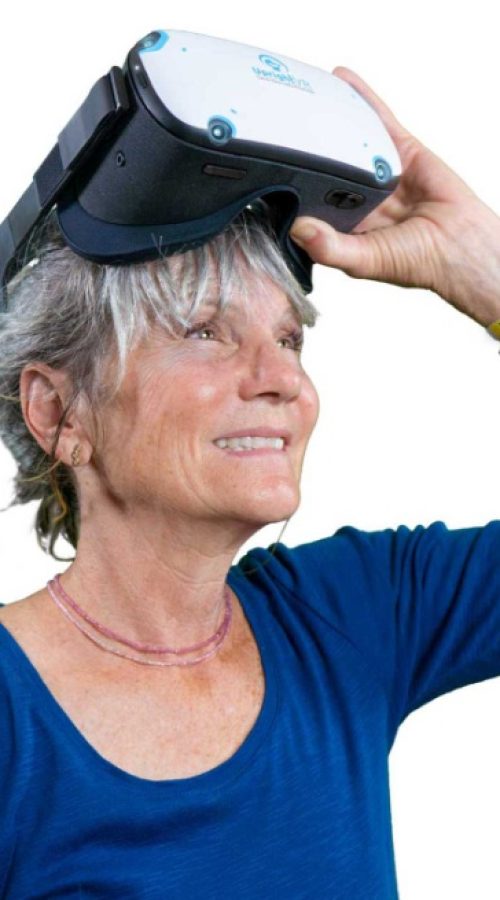
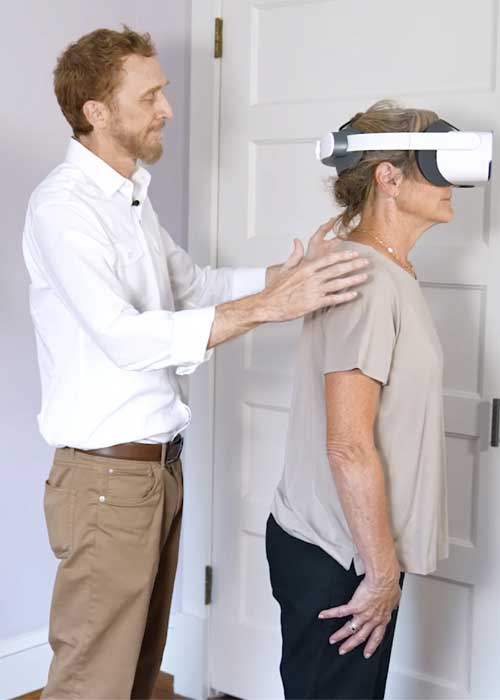
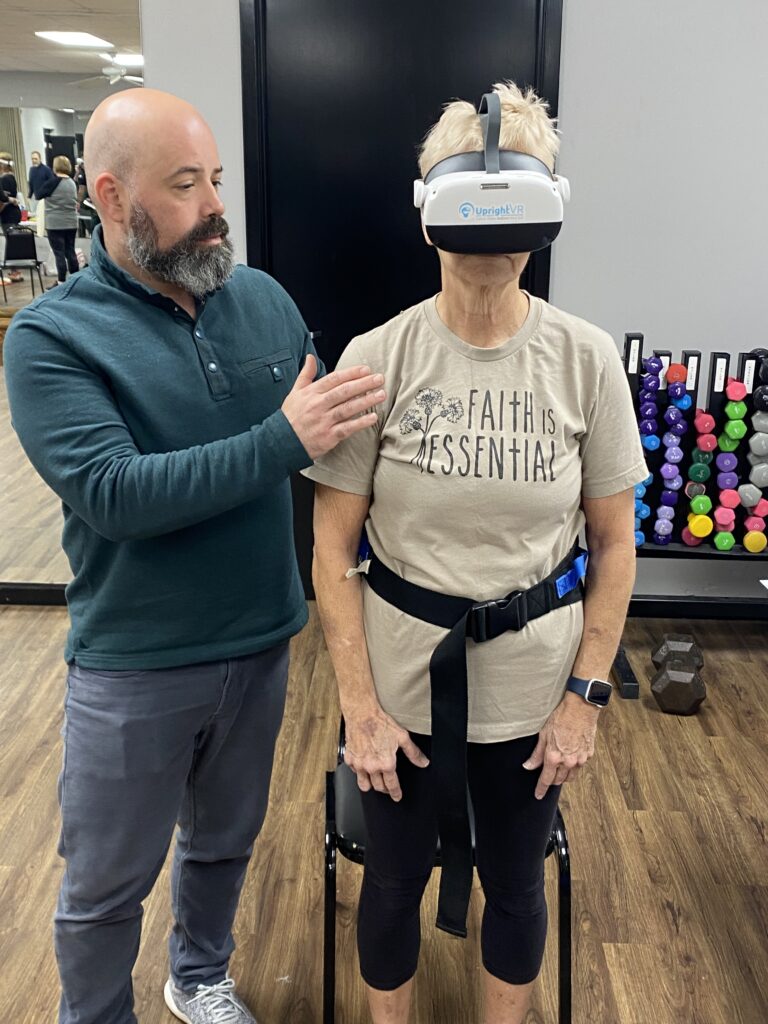
UprightVR transforms fall risk management by identifying and addressing balance deficits BEFORE falls occur. Using cutting-edge virtual reality technology, clinicians can now detect, quantify, and treat specific balance impairments invisible to conventional testing.
The only immersive system uniting VR, AR, Assessment, and Treatment.
Harnessing the power of virtual reality to optimize patient outcomes through comprehensive assessments, personalized rehab, and continuous progress tracking.
Designed for Real-World Use:
- 10-minute complete assessment
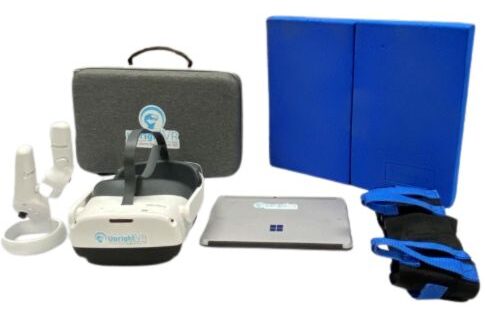
- Portable 5 lb kit
- Test anywhere – standing room only
- Immediate actionable results
- Gamified Virtual Reality Therapy for Balance Rehabilitation
- Progress tracking capabilities
Superior to Traditional Testing:
- Scientifically validated protocols
- Objective, quantifiable results
- Computerized Dynamic Posturography (CDP)
- FDA registered
- HIPAA compliant
- Evidence-based fall risk stratification
- Evidence-Based Protocols
- Medicare Approved Codes
Technology Benefits
5 Critical Balance Components
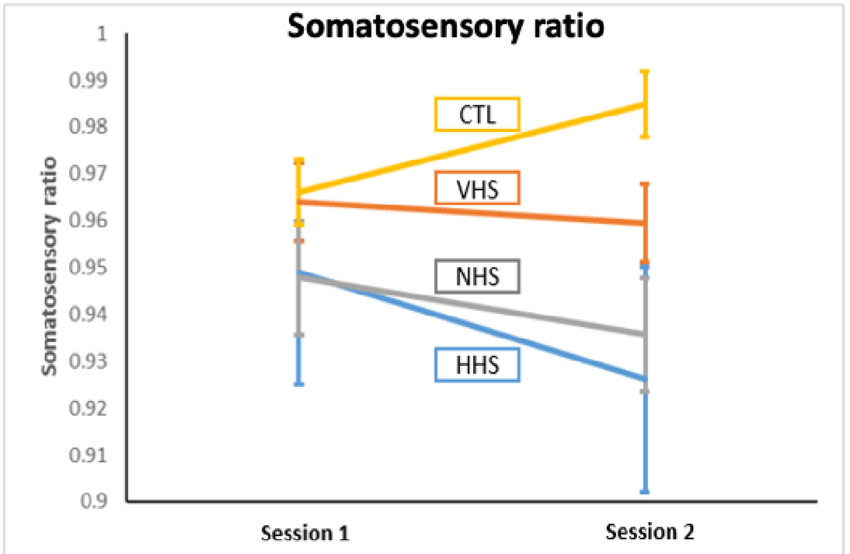
Somatosensory Ratio
Measures how effectively patients use feet and lower limbs for balance.
Visual Ratio
Evaluates dependency on visual input for maintaining stability.
Vestibular Ratio
Assesses inner ear function with eyes closed on unstable
surface
Visual-Vestibular Mismatch
Evaluates tolerance to visual motion and visual dependency.
Sensory Weighting Preference
Tests over-reliance on vision or inability to use other sensory inputs.
The UprightVR Systematic Balance Improvement Process
Immersive Virtual Reality Technology
Evidence-Based VR Rehabilitation
Clinically proven technology that enhances patient outcomes and engagement
Enhanced Engagement
Immersive VR Experience
Delivers superior patient motivation through:- Interactive, gamified therapy sessions
- Real-time visual and auditory feedback
- Personalized difficulty progression
Precise Measurement
Advanced Sensor Technology
Captures comprehensive movement data:- Head and body position tracking
- Balance sway and stability metrics
- Reaction time and coordination analysis
Clinical Efficiency
Streamlined Workflow
Optimizes clinical practice with:- Automated progress reporting
- Standardized assessment protocols
- Remote monitoring capabilities
Key Feature
SafetyNet™ Advanced Balance Assessment
10-minute comprehensive evaluation
Identifies hidden balance deficits & risk factors
RecoVR - Targeted VR Rehabilitation
12 engaging therapy games
Progressive difficulty levels
Portable – test anywhere
Walking Mode
VR SIB
Take 8 minutes
Comprehensive System
Virtual reality
Treatment protocols with gamification
Durability
FDA, Korean FDA, CE
Complete Training Program
Clinical protocols included
Ongoing education webinars
Technical support included
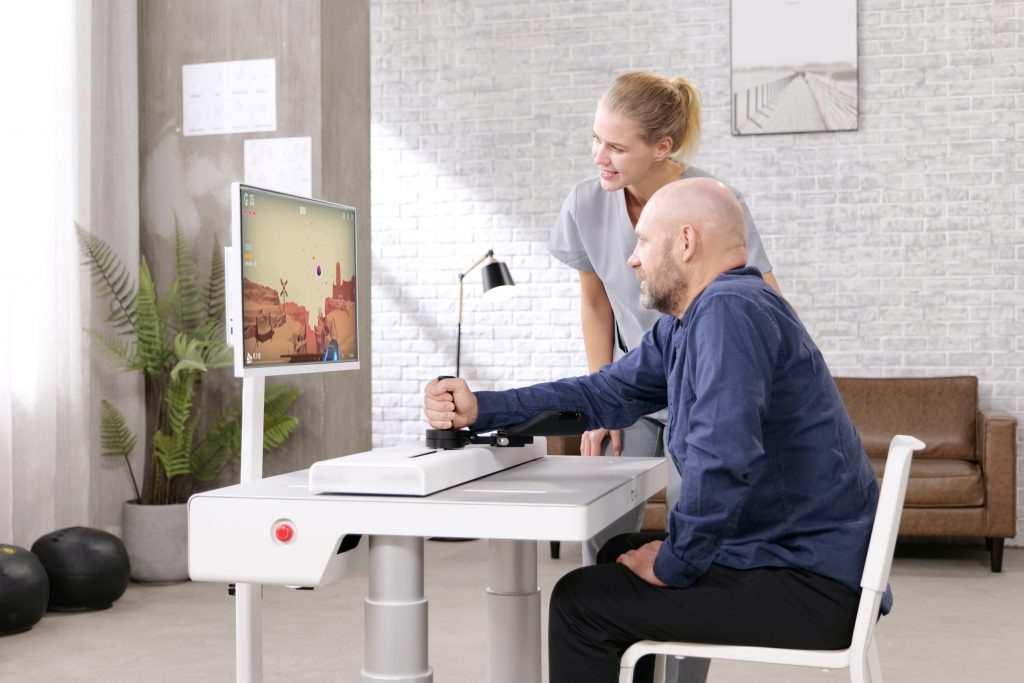
Virtual Reality Rehabilitation System
Gamified Virtual Reality Therapy for Balance Rehabilitation
Fun, Engaging, Motivating, and Results-Driven Therapy
Progressive, Motivational, and Entertaining
Immersive games designed to inspire participation and enhance therapeutic outcomes.
Targeted Balance Deficit Therapy
Customizable programs that address specific balance challenges.
This system offers two specialized rehabilitation programs:
Vestibular and Oculomotor
Vestibular and Oculomotor Rehabilitation
Vestibular rehabilitation programs include Vestibular Ocular Reflex (VOR) x1 and x2 exercises designed to enhance visual stability and reduce dizziness or motion sensitivity. These techniques strengthen the connection between the eyes, head, and vestibular system, improving coordination and postural control.
We complement these therapies with Head-Eye Coordination and Head Roll Vestibular Training, focused on restoring synchronization between visual and motor functions — essential for spatial orientation and dynamic balance.
Finally, our Visual Motion Tolerance and Cognitive, Balance, and Hand-Eye Coordination Training helps patients increase their tolerance to visual motion, improve focus, and regain the confidence to perform everyday activities safely and independently.
Sensory Reweighting and General Balance Rehabilitation
Our comprehensive rehabilitation program combines Functional Reach, Weight-Shifting, and Hand-Eye Coordination exercises with targeted Cognitive Training to enhance overall stability and mental focus. Patients also engage in Limits of Stability and Weight-Shifting exercises, including Visual-Vestibular Challenges, to improve balance under dynamic conditions. Head-Eye Coordination is emphasized through Step Training and additional weight-shifting drills, while Visual Training and Gaze Stabilization reduce visual dependency and promote safe, confident movement. Memory and cognitive exercises are seamlessly integrated, ensuring a holistic approach that strengthens both physical and mental performance.
✓ Very affordable pricing and financing available
✓ Excellent clinical training and on-going clinical support
✓ US Based Technical support
✓ Strong warranty
Research & Resources
- 2017 – Assessing Subacute Mild Traumatic Brain Injury
- 2019 – The Validity of an Oculus Rift to Assess Postural – Marchetto, Wright.pdf
- 2021 – Validation Study of Wireless Virtual Reality Head-Mounted Display for – Ma, Wright.pdf
- 2022 – History of Mild Traumatic Brain Injury Affects Static Balance under Complex Multisensory Manipulations – Wright.pdf
- Is the CTSIB good enough_Clinicians.pdf
- UprightVR validation literature.pdf